.jpg)
Dog Leash Training Tips: Effective Techniques for Loose Leash Walking Training
- Rick haefner
- Mar 9
- 4 min read

Walking your dog should be one of the most enjoyable parts of your day. But if your furry friend pulls, lunges, or drags you down the street, it can quickly turn into a frustrating experience. I’ve been there, and I know how challenging it can be to get your dog to walk calmly by your side. That’s why I want to share some effective techniques for loose leash walking training that have worked wonders for me and many others.
Whether you’re just starting out or looking to improve your current routine, these tips will help you build a stronger bond with your dog and make walks more peaceful and fun.
Why Dog Leash Training Tips Matter
When your dog pulls on the leash, it’s not just uncomfortable for you - it can also be harmful to your dog’s health. Constant pulling can strain their neck and back, and it makes it harder for you to control them in busy or potentially dangerous situations.
Good leash manners mean your dog walks calmly beside you, paying attention to your cues. This makes walks safer and more enjoyable for both of you. Plus, it’s a great way to reinforce your role as a leader and build trust.
I remember when I first started training my dog, Max. He was so excited about every squirrel and passerby that he would yank me down the block. But with patience and the right techniques, we turned those chaotic walks into calm, connected strolls.
Essential Dog Leash Training Tips for Success
Here are some practical tips that will set you and your dog up for success:
Choose the right equipment: A well-fitted harness or head collar can make a big difference. Avoid retractable leashes as they encourage pulling.
Start indoors or in a quiet area: Begin training in a distraction-free environment so your dog can focus on you.
Use high-value treats: Find treats your dog loves and use them to reward good behavior.
Keep sessions short and positive: Frequent, short training sessions work better than long, frustrating ones.
Be consistent: Use the same commands and techniques every time you walk.
One thing I learned early on is that dogs respond best to positive reinforcement. When Max walked nicely beside me, I’d immediately reward him with a treat or praise. This helped him understand exactly what I wanted.

How to Train a Dog for Loose Leash Walking?
Training your dog to walk on a loose leash takes time and patience, but it’s absolutely doable. Here’s a step-by-step guide that worked well for me:
Get your dog’s attention: Before you start walking, make sure your dog is focused on you. Use their name or a cue like “look.”
Start walking slowly: Take a few steps and watch the leash. If it starts to tighten, stop immediately.
Use the “heel” or “let’s go” command: Encourage your dog to walk beside you. When they do, reward them with a treat.
Change direction frequently: If your dog pulls ahead, turn around and walk the other way. This teaches them that pulling won’t get them where they want to go.
Practice “stop and go”: If your dog pulls, stop walking. Wait until the leash slackens, then continue. This reinforces that pulling doesn’t move the walk forward.
Gradually increase distractions: Once your dog is good in a quiet area, try busier places like parks or sidewalks.
Remember, every dog learns at their own pace. Celebrate small victories and don’t get discouraged by setbacks. I found that mixing in play and affection during training kept Max motivated and happy.
Common Challenges and How to Overcome Them
Even with the best intentions, leash training can come with hurdles. Here are some common issues and how to handle them:
Dog keeps pulling despite training: Check your equipment. Sometimes a front-clip harness or head halter can help reduce pulling. Also, make sure you’re rewarding the right behavior consistently.
Dog gets distracted by other dogs or people: Practice in low-distraction areas first. Use treats to keep your dog’s focus on you. Gradually expose them to distractions while maintaining control.
Dog lunges or barks at stimuli: Teach a “watch me” or “leave it” command to redirect their attention. Stay calm and don’t punish, as this can increase anxiety.
You feel frustrated or tired: Take breaks and keep training sessions short. Remember, patience is key. Celebrate progress, no matter how small.
I once struggled with Max lunging at squirrels. Instead of pulling back or yelling, I used the “watch me” command and rewarded him when he looked at me instead. Over time, those squirrels became less exciting.
Tools and Resources to Support Your Training Journey
There are plenty of tools and resources that can make your loose leash walking training easier and more effective:
Training clickers: These can help mark the exact moment your dog does the right thing.
Training classes: Group or private sessions with a certified trainer can provide personalized guidance.
Online tutorials and videos: Visual aids can be very helpful for understanding techniques.
Local dog parks and walking groups: Socializing your dog in controlled environments can improve their leash manners.
If you want to dive deeper into loose leash walking training, Chesapeake Canine offers expert advice and personalized training programs tailored to your dog’s needs.
Building a Lasting Bond Through Walking
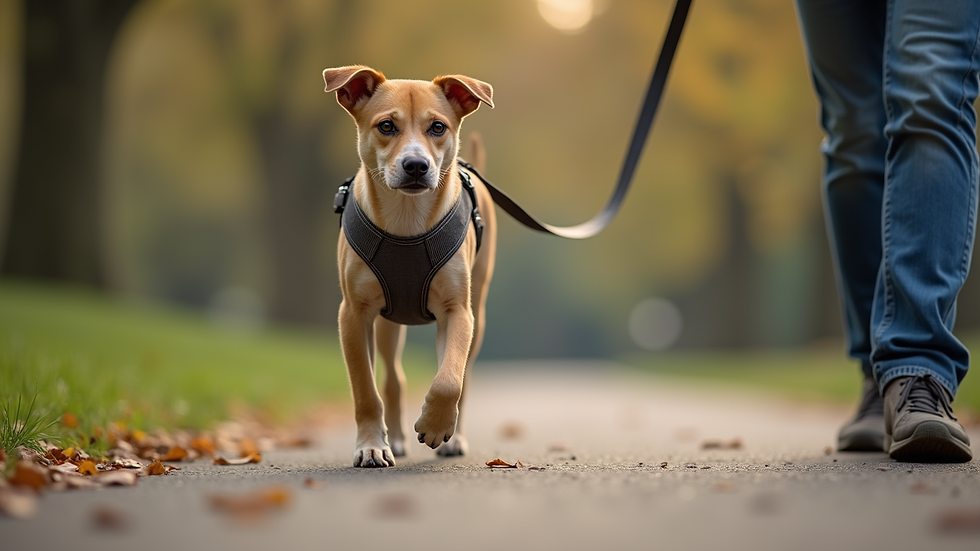
Loose leash walking is more than just a skill - it’s a way to strengthen your relationship with your dog. When your dog walks calmly beside you, it shows they trust and respect you. It also makes your time together more enjoyable and less stressful.
I’ve found that regular walks with good leash manners give Max a chance to explore safely while staying connected to me. It’s our special time to communicate, bond, and enjoy the outdoors.
If you’re ready to transform your walks and build a balanced relationship with your dog, start with these techniques and be patient with the process. Every step forward is a step toward a happier, healthier life for both of you.
I hope these dog leash training tips inspire you to take your walks to the next level. Remember, consistency, kindness, and a little bit of patience go a long way. Happy walking!


Comments